
Myth or Reality: Does Sweating with a Faja Help You Lose Weight?Updated 4 months ago
 |
By Fajas Tributo
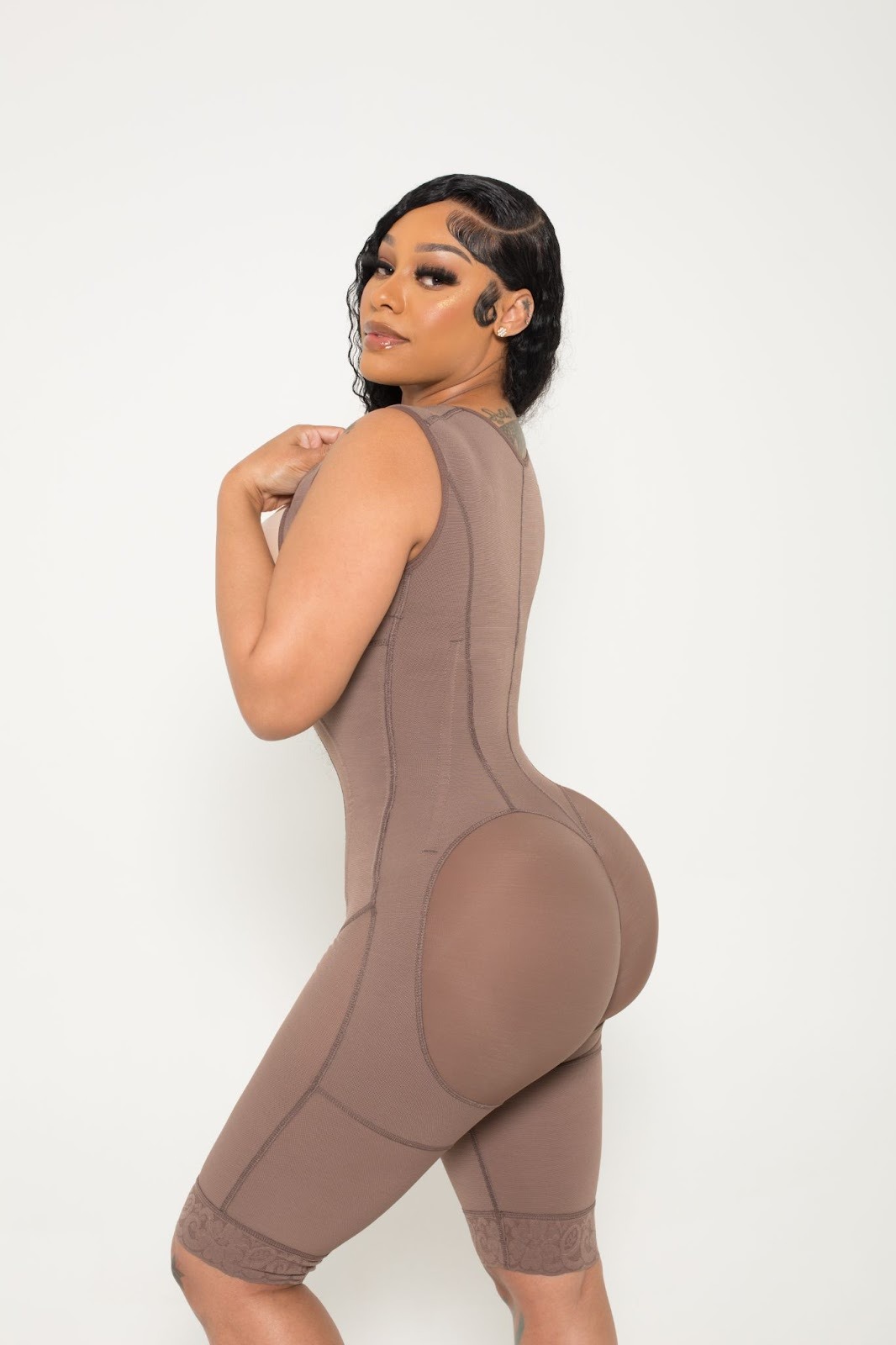
Fajas have become an essential piece in many wardrobes, offering support, security, and a smoother silhouette. However, along with their popularity, several myths continue to circulate, one of the most common being the belief that sweating while wearing a faja helps you lose weight.
This idea can be misleading and, in some cases, unhealthy. Let’s break down what really happens when you sweat with a faja and what role it truly plays in your body and lifestyle.
Where Does This Myth Come From?
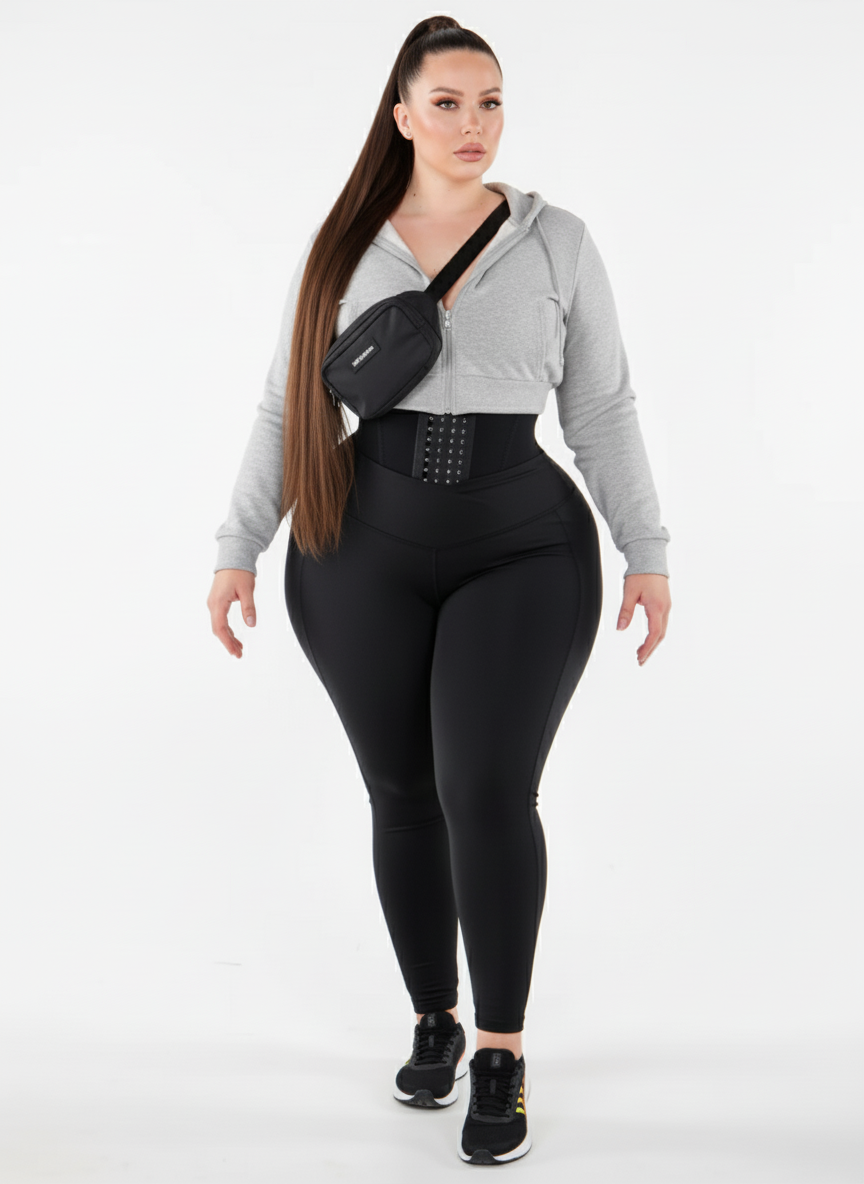 |
When wearing a faja, especially during physical activity or in warm environments, it’s normal to sweat more around the midsection. Afterward, some people notice a temporary drop on the scale and assume they’ve lost weight.
This short-term change often reinforces the belief that:
“If I sweat more, I’m burning more fat.”
But this assumption doesn’t tell the full story.
The Truth: Sweating Is Not Fat Loss
Sweating is simply your body’s natural way of regulating temperature. When you sweat, you lose water, not fat.
Sweating does not burn calories
It does not reduce body fat
It does not change body composition
Any weight lost through sweating is temporary and returns once you rehydrate.
How Does Real Weight Loss Happen?
Sustainable fat loss occurs through:
No garment, including a faja, can replace these fundamental processes. | 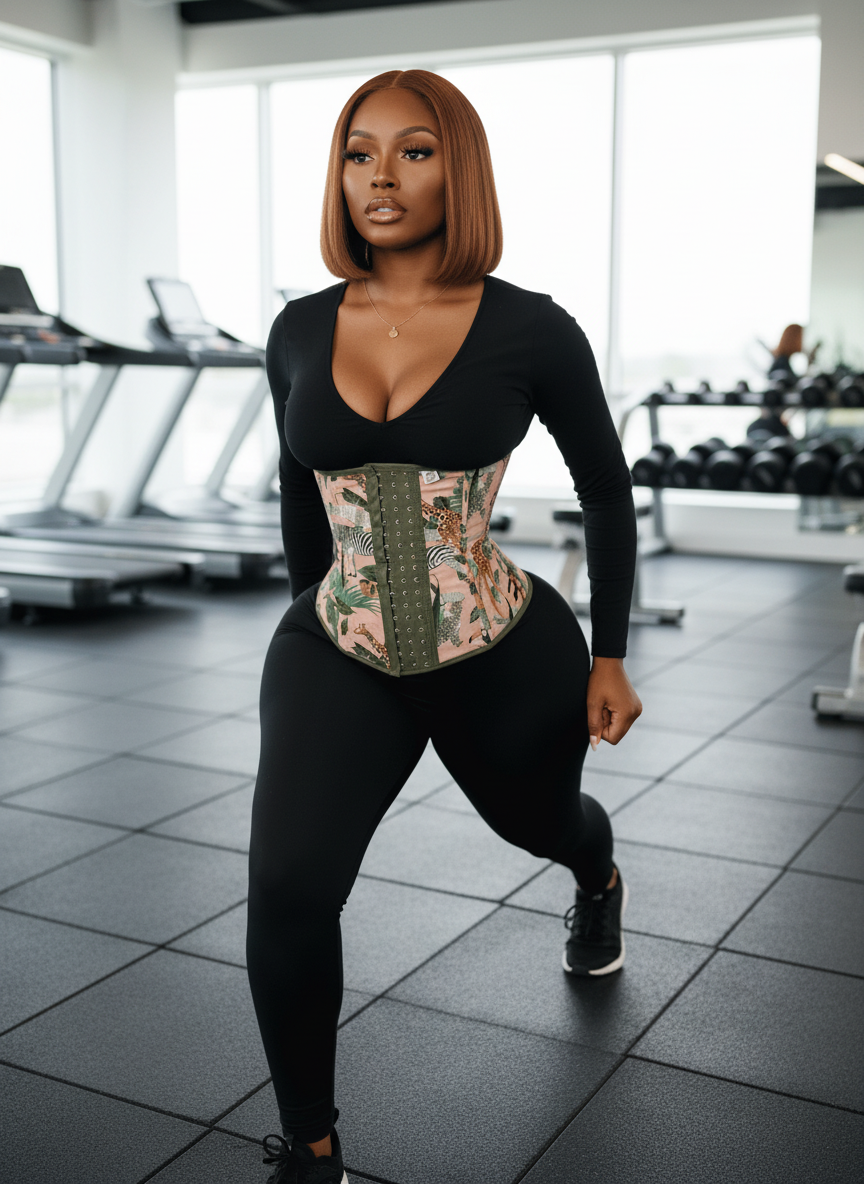 |
What a Faja Does Do
While a faja does not promote weight loss, it still offers real benefits when used correctly:
A faja is designed to support and shape, not to function as a weight-loss tool. | 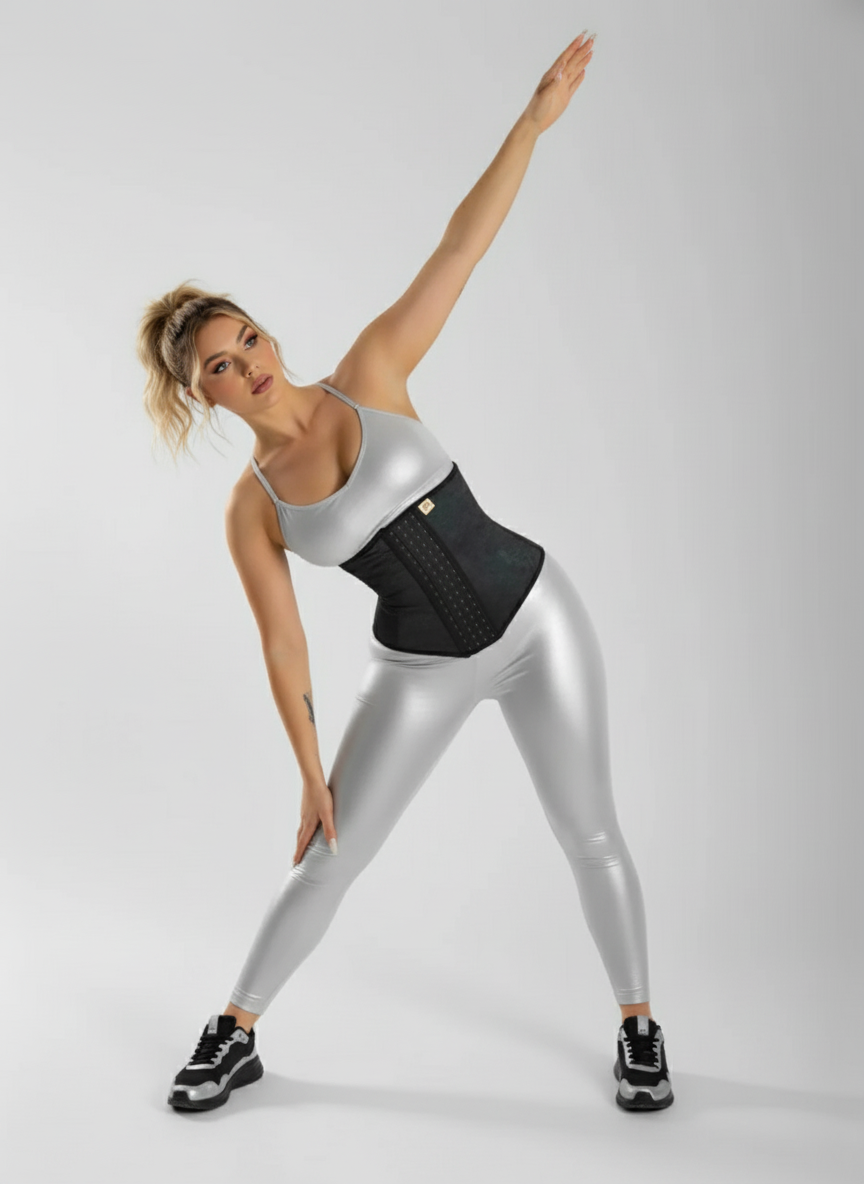 |
Why Believing This Myth Can Be Harmful
Using a faja with the intention of “sweating off weight” may lead to:
Dehydration
Dizziness or fatigue
Overuse of overly tight garments
Discomfort or restricted breathing
A faja should never cause pain or excessive strain on the body.
 This blog is for educational purposes only. Always consult your doctor for medical guidance.