
Wearing a faja with surgical drains: A little planning helpsUpdated 7 days ago
 |
By Fajas Tributo
Getting dressed with drains can feel unfamiliar at first. If your surgeon has approved a faja, start with three practical steps: prepare your faja before surgery, learn how to keep the drains supported, and practice changing clothes before heading home.
Have your Stage 1 ready before surgery
 | Our Stage 1 fajas are the starting point for early recovery. When planning for those first 10 days after surgery, discuss this option with your care team; your individual instructions determine how long to wear it and when to change stages. |
We recommend ordering at least two weeks before your procedure, using your pre-surgery measurements, so you can plan to have your faja ready from the beginning. Confirm the expected delivery date with us and mention that you will have drains. Our Compression Experts can help you review measurements, coverage, and the available design options before ordering.
Practice once before you leave
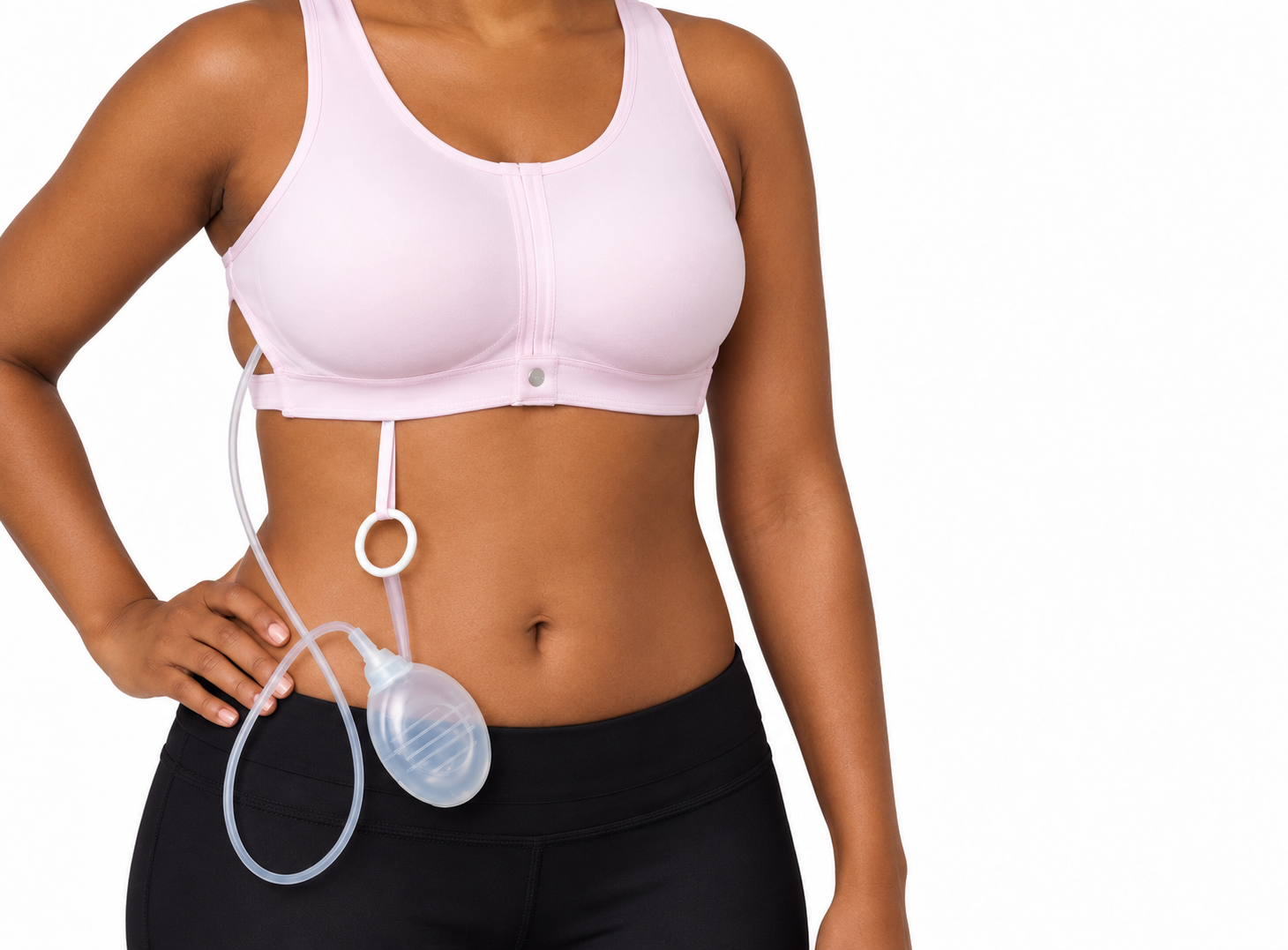
Ask your nurse to walk you through opening and putting on your faja with your actual drain setup. Focus on where the tubing runs, how the collection bulbs stay supported, and how you will reach them for care.
If someone is helping you, have them join the demonstration and practice the steps with you.
If you will be on your own, tell your team before discharge. Try the routine under supervision so you can identify anything you cannot comfortably reach or manage. If you need assistance, your team can help you plan for it before you get home.
Keep the bulbs supported and accessible
Collection bulbs should be secured using the method your nurse demonstrates, rather than left hanging from the tubing. Avoid attaching them to pants or belt loops that could pull on the drains when you undress.
A faja’s bathroom opening serves a separate purpose; do not assume it provides a place to secure or route drains.
Choose an outfit that lets you reach the bulbs without removing several layers. Keep your measuring container, drainage log, and care instructions together within easy reach. Clean hands and recording drainage are part of the care routine your team will explain.
Keep help a phone call away
Have your surgical team’s contact information handy. Contact them promptly for fever, increasing redness, foul-smelling drainage, a bulb that will not stay compressed, or tubing that comes out. Follow their instructions for any unexpected change.
You do not have to master everything immediately. A practice run and a prepared space can make the next change of clothes feel more manageable.
This content is for educational purposes only and does not replace medical advice. Always follow your surgeon's or healthcare provider's instructions.