
Why Leg Length Matters More Than You ThinkUpdated a month ago
 |
By Fajas Tributo
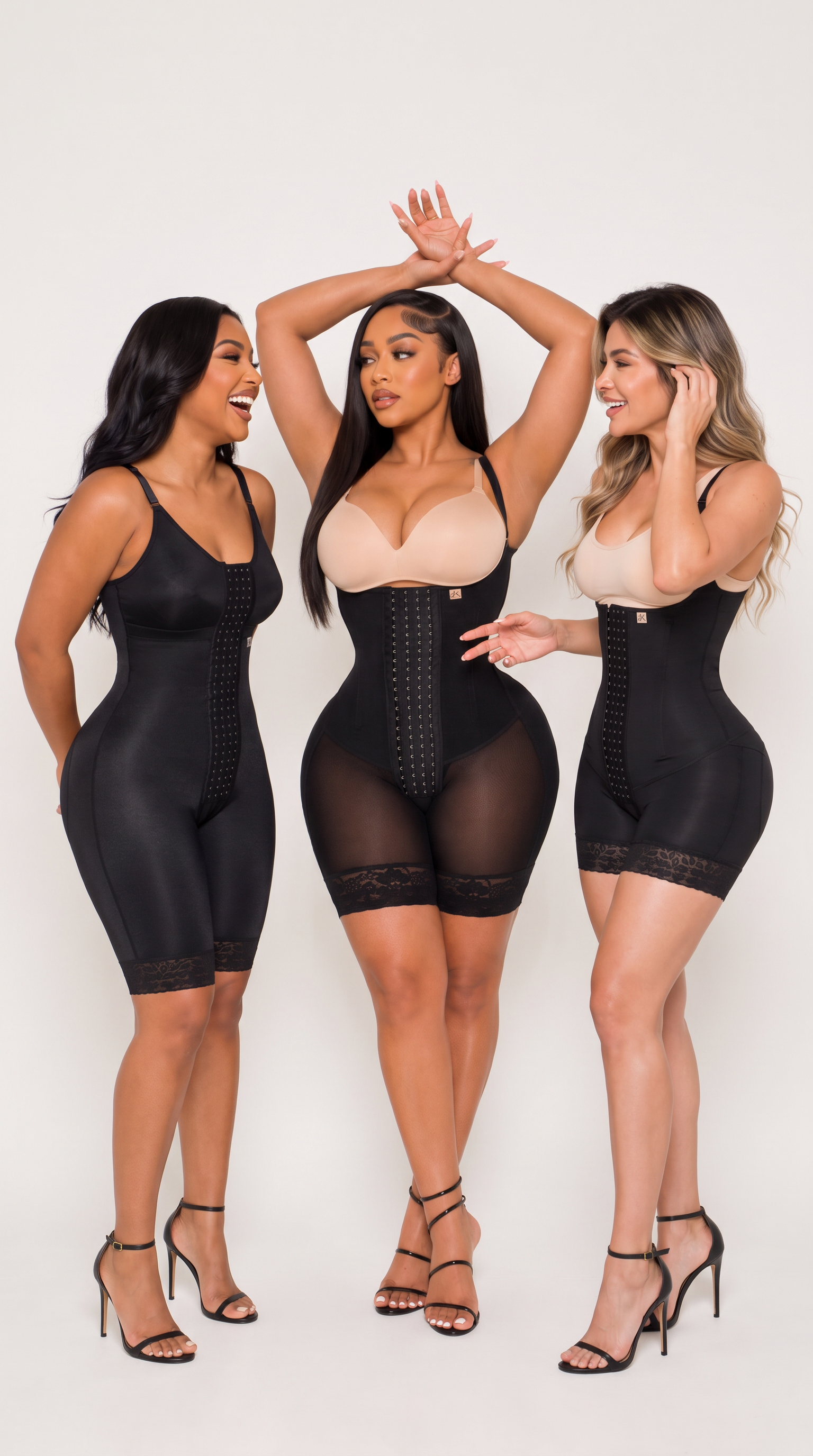
Leg length is one of those details you may not think about until your faja starts rolling, cutting into your thigh, or creating a line exactly where you wish it would not.
And that is why it matters.
The length of your faja does more than change how much leg it covers. It affects where the compression ends, how smooth the transition feels, how comfortable you are when sitting, and whether the faja works with your natural thigh shape instead of fighting it.
The Real Question Is: Where Should the Compression End?
When a faja ends at the wrong point, you may feel it right away.
It can:
roll up when you walk or sit
press into the fullest part of the thigh
create a visible line under clothing
feel tighter at the leg opening than through the body
make swelling feel more noticeable around the edge
feel uncomfortable after a few hours, even if the waist fits well
That does not always mean the whole faja is the wrong size. Sometimes, the issue is where the leg ends.
Short Length: Best When the Thigh Does Not Need Much Support
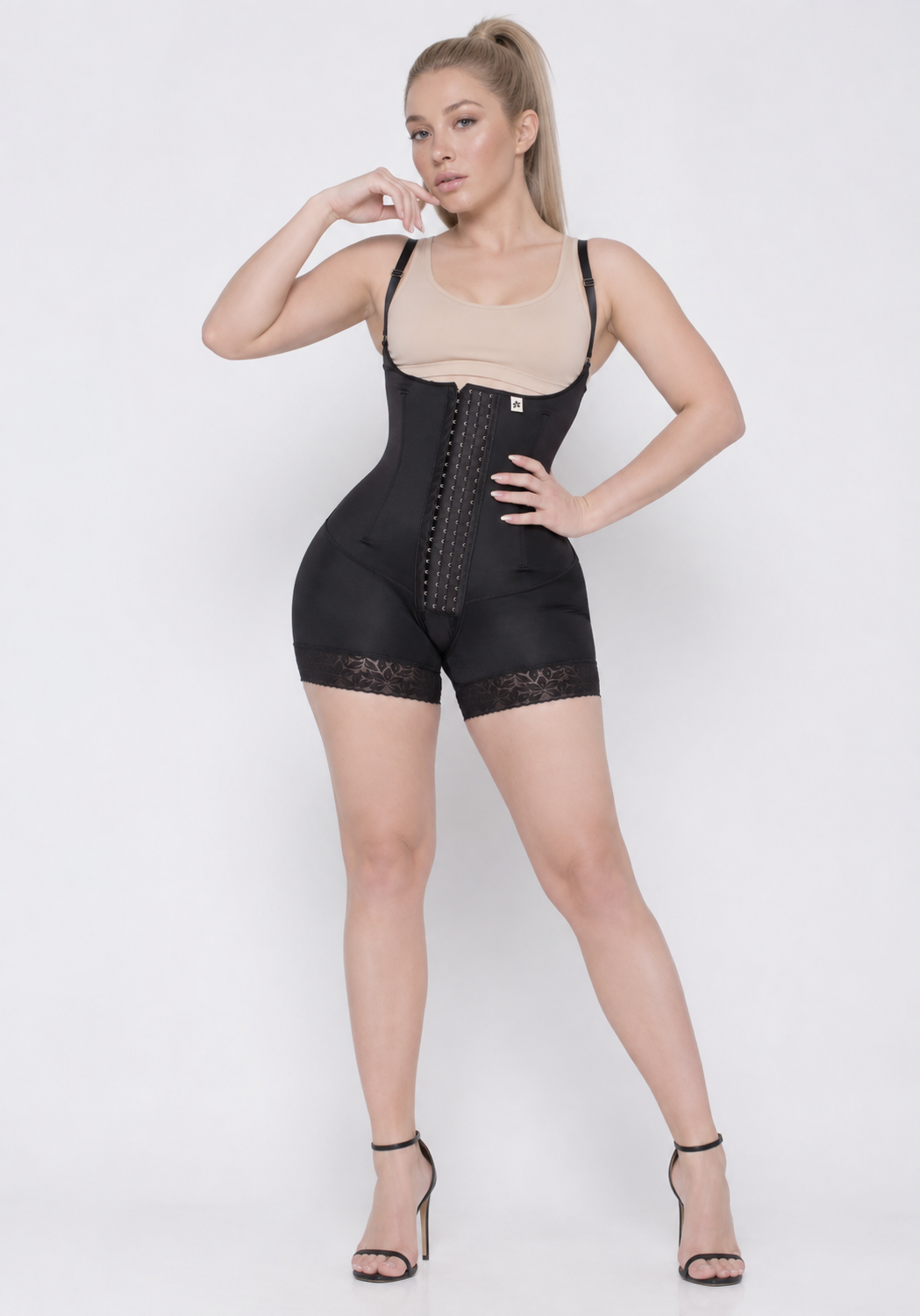 |
A short-length faja may work well when the main focus is the abdomen, waist, or hips, and the thighs do not need much compression.
But if the short length ends at the fullest part of your thigh, it may start rolling or digging. This is especially common when there is more natural fullness in the upper thigh or when swelling changes throughout the day.
A short length is not “better” because it feels smaller. It only works well when the ending point sits comfortably on your body.
Mid-Thigh: Helpful When You Need a Softer Transition
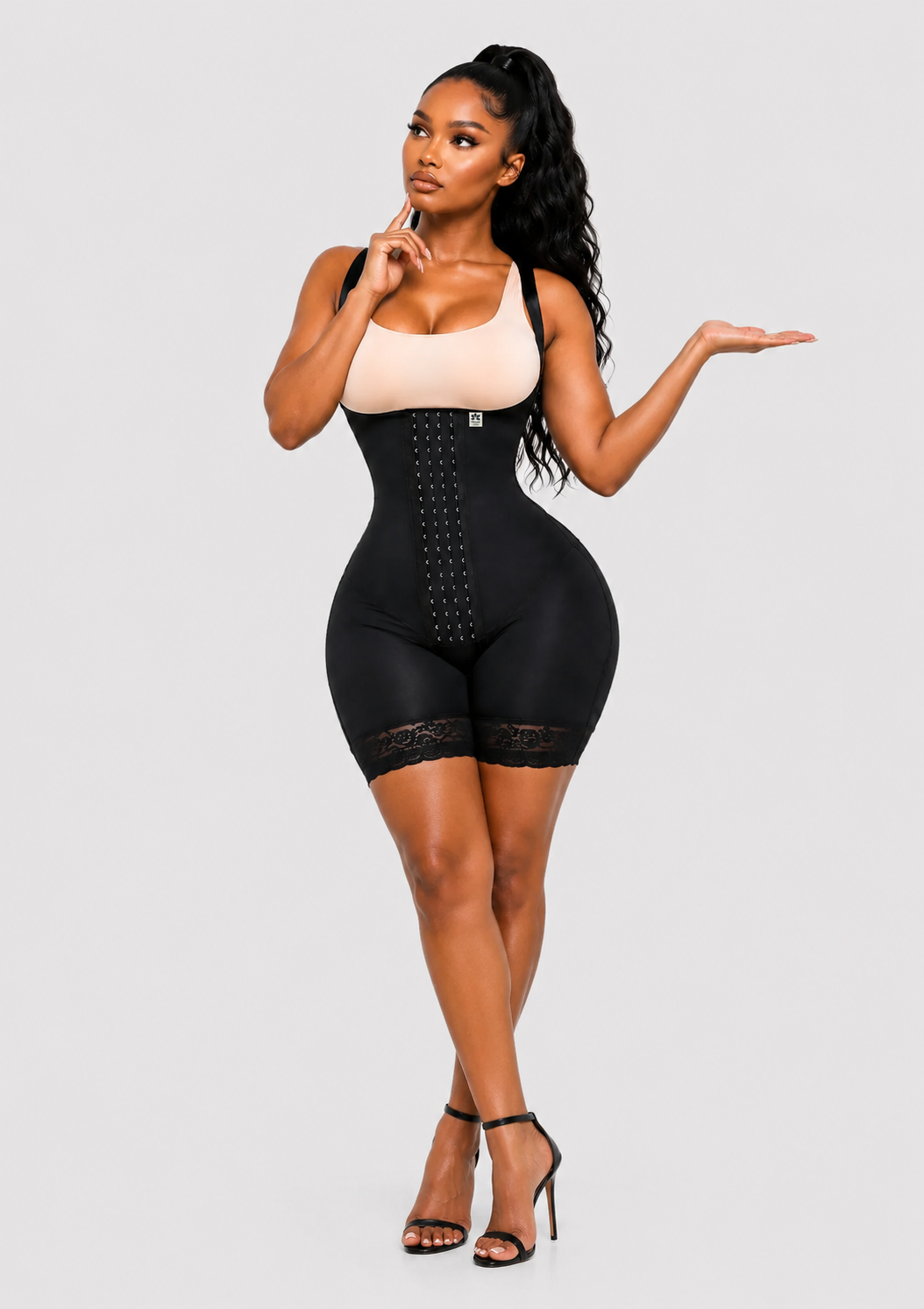 |
Mid-thigh can be a good option when you want compression to extend past the upper thigh instead of stopping too high.
The goal is not just more coverage. The goal is a smoother transition.
This can be helpful if you usually notice:
rolling at the leg opening
pressure around the upper thigh
lines under fitted clothing
discomfort when sitting
uneven compression between the body and thigh area
Mid-thigh often works best when the faja needs to support the lower body without feeling too long for daily movement.
Knee Length: When the Thigh Needs More Consistent Support
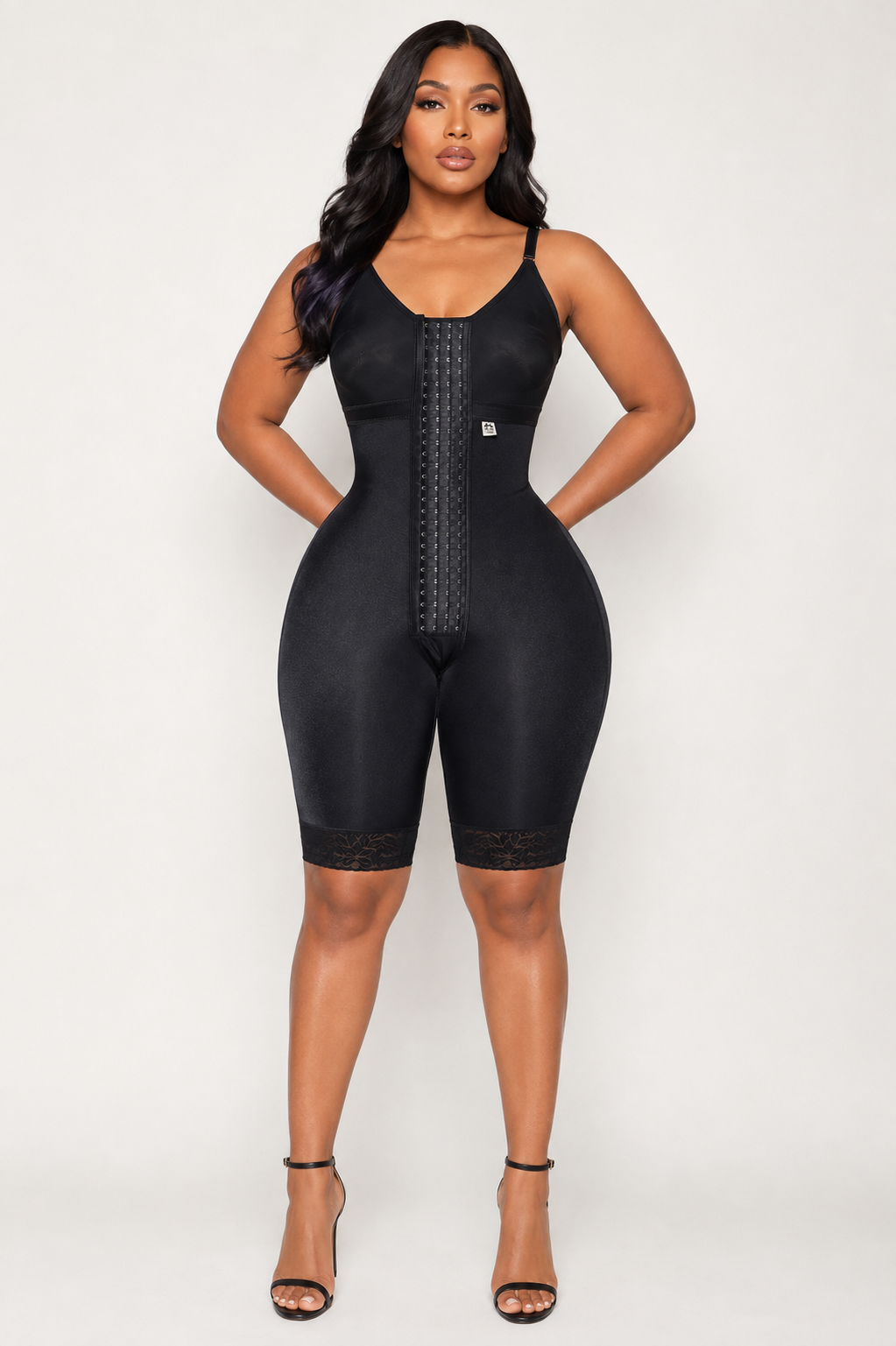 |
A knee-length faja may be a better option when the thighs are part of the recovery area or when shorter lengths tend to create pressure in the wrong place.
Because the compression extends farther down the leg, it can help avoid stopping at the fullest part of the thigh. For some women, that feels more comfortable and more stable.
This option may make sense if:
your procedure included thigh liposuction
your surgeon recommended thigh compression
you have fuller thighs
shorter styles roll up on you
you want the leg opening to end lower and feel smoother
Longer Lengths: When the Recovery Area Extends Down the Leg
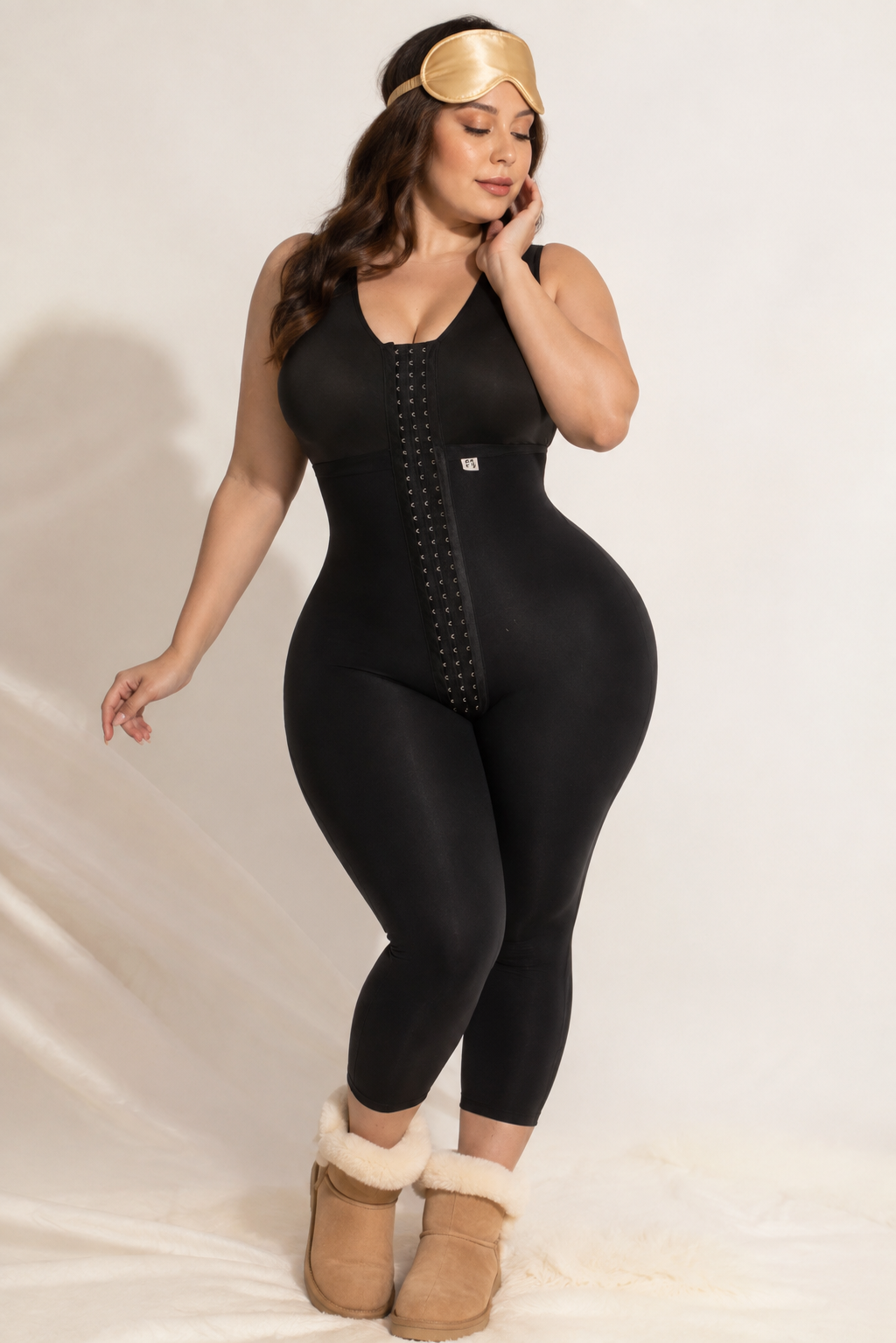 |
Longer fajas, including ankle-length options, are usually more specific.
They may be recommended when the recovery area extends beyond the thigh or when your surgeon wants more leg coverage. This is not something to choose just because it sounds like “more compression.” It should match your procedure and your recovery plan.
If you are not sure, your surgeon should guide the medical side, and our team can help you understand the faja options available.
A Simple Way to Choose
Instead of asking, “Which length looks better?” ask:
Where does my body carry more fullness?
Where does swelling usually show up?
Did my procedure include the thighs or legs?
Where do fajas usually roll or dig on me?
Do I need the leg opening to stop higher or lower?
Will I be sitting for long periods while wearing it?
Those answers usually tell you more than the outfit does.
Custom Length Can Make a Big Difference
If standard faja lengths have never felt quite right on you, customization may help.
A custom faja allows the length to be adjusted based on your body and your needs, instead of forcing you into a standard stopping point. This can be especially helpful if you have experienced rolling, digging, gapping, or uncomfortable pressure at the leg opening before.
Small changes in length can make the faja feel much more wearable.
Friendly Reminder
Leg length is not just a style detail. It is part of the fit.
The right length should help the compression end in a place that feels smoother, more secure, and more comfortable for your body. If you are unsure, do not choose based only on the product photo. Think about your shape, your recovery area, and where your faja needs to support you most.
Medical disclaimer
This content is for educational purposes only and does not replace medical advice. Always follow your surgeon’s or healthcare provider’s instructions.