
Your Period During Surgical Recovery: Practical Tips for Wearing Your FajaUpdated 2 days ago
 |
By Fajas Tributo
Your period starts while you’re recovering, and suddenly changing a pad feels more complicated with your faja on. The most useful adjustment is making menstrual care easier to manage while keeping your prescribed recovery routine in place.
Choose protection you can change comfortably
Think about the movements involved, not just your usual preference. Can you reach to insert and remove a tampon or cup without bending or stretching beyond your restrictions? Can you change a pad without struggling with the garment?
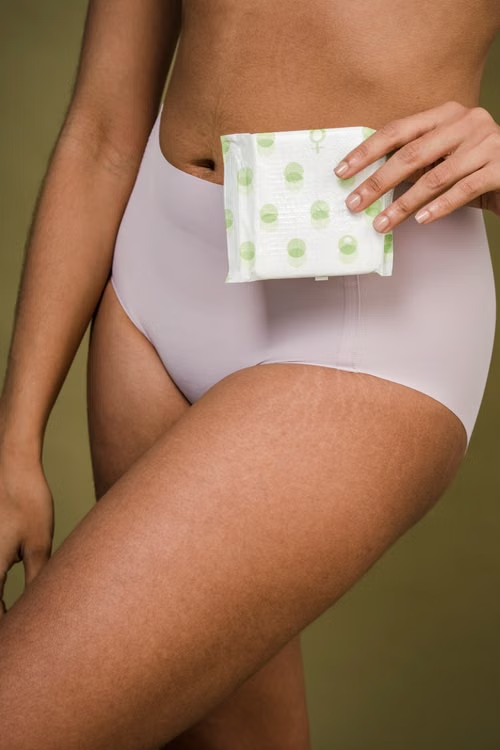
An external pad may be easier to manage if reaching is uncomfortable. But the right choice also depends on your surgery: after some gynecologic procedures, hospitals specifically advise pads and restrict tampons during healing. Those restrictions should not automatically be applied to every cosmetic procedure.
If you usually use tampons, confirm they are permitted for your procedure before returning to them.
Consider a zipper flap for easier access
When preparing your order, ask us about our zipper flap option. Opening the crotch area may make bathroom visits and menstrual-product changes more manageable without removing the entire faja.
An opening that works for urinating may still require a little planning for period care. Before heading out, check whether you can comfortably remove your menstrual product, position a fresh one, and clean yourself within your movement restrictions.
If you use pads, make sure your underwear holds the pad securely across the opening rather than placing it loosely inside the faja. The arrangement should also accommodate any incisions, dressings, or drains.
Our Compression Experts can explain the flap options for your chosen style. If changing protection still requires repeatedly removing your prescribed garment, or you cannot manage it on your own, ask your nurse to help you find a workable setup.
Keep your usual changing schedule
A difficult closure can make it tempting to delay a bathroom trip. Plan changes around the menstrual product’s instructions instead.
The CDC recommends changing pads every few hours, even with light flow, and more often with heavy bleeding. Moisture left against the skin can contribute to irritation.
If tampons are permitted, change them every four to eight hours, never exceeding eight hours, and use the lowest absorbency needed. A phone reminder can help when your recovery routine already has plenty to remember.
If you are alone, unwrap and lay out your replacement supplies before starting. If reaching or managing the closures is not possible within your restrictions, arrange assistance rather than forcing the movement.
Treat cramps and recovery instructions together
Before taking your usual period pain medicine, check it against your postoperative medication plan. Likewise, confirm before applying a heating pad near a healing surgical area.
If bloating makes your faja feel different, contact your surgical team before changing stages, tightening hooks, or extending time out of compression. Describe where the pressure is and whether it is new.
The aim is a manageable routine: protection you can change, access that works with your garment, and clear guidance when your recovery restrictions make either difficult.
This content is for educational purposes only and does not replace medical advice. Always follow your surgeon's or healthcare provider's instructions.